
The Basics of Torsion and Extension Springs Explained
Garage doors rely heavily on springs to function properly. Two primary types of garage door springs exist: torsion and extension springs. These springs provide the tension needed to lift and lower garage doors. While both serve the same essential purpose, they operate differently and have unique benefits and drawbacks. Understanding these differences can help homeowners make informed decisions about their garage door systems.

How Torsion Springs Work
Torsion springs are mounted above the garage door opening. They use torque to raise and lower the door. When the door is closed, the spring tightens, storing energy that helps lift the door. As the door opens, the spring slowly releases this energy. This mechanism allows for smooth operation and control.
Advantages of Torsion Springs
Torsion springs offer several benefits over other types. They generally last longer due to their design, which evenly distributes stress. This extends their lifespan compared to extension springs. Moreover, torsion springs provide more controlled movement, reducing wear and tear on other components like cables and tracks.
Understanding Extension Springs
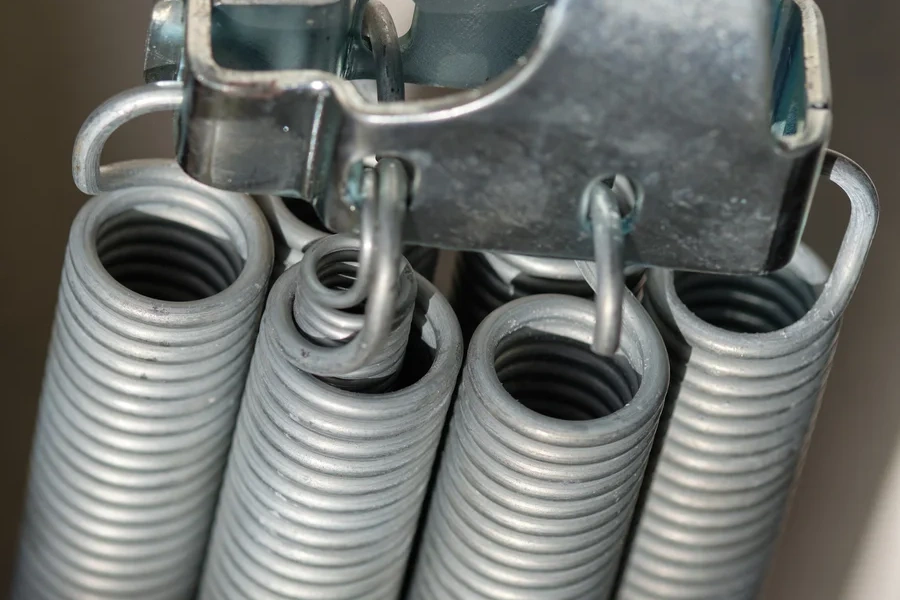
Extension springs run alongside the garage door tracks. They stretch and contract to open and close the door. When the door closes, these springs extend, storing potential energy. This stored energy is then used to help lift the door as it opens. It’s a straightforward system but requires more space than torsion springs.
Pros and Cons of Extension Springs
- Affordability: Extension springs are typically less expensive than torsion springs.
- Simplicity: Their simpler installation makes them appealing for DIY enthusiasts.
- Durability Issues: They tend to wear out faster because of uneven tension distribution.
- Noisy Operation: They can be noisier during operation compared to torsion springs.
Cost Implications of Different Spring Types
The cost differences between torsion and extension springs lie in initial price and longevity. Torsion springs usually have a higher upfront cost but last longer. Homeowners may face fewer garage door spring replacement expenses with torsion springs in the long run.
Safety Considerations for Both Spring Types
Both types of springs require careful handling due to high tension levels. Incorrect installation or adjustment can lead to accidents. It’s advisable to hire professionals for installation and garage door spring replacement tasks to ensure safety and proper functioning.
The Best Choice for Your Home
Your choice between torsion and extension springs should consider your specific needs. For quieter and smoother operation, torsion springs are preferable. However, if budget constraints are a concern, extension springs might suit better despite their shorter lifespan. Always weigh the long-term benefits when choosing your system.
Professional Advice on Spring Selection
For those unsure about which type of spring to choose, consulting with experts can provide guidance tailored to individual needs. Professionals can assess your garage door setup and recommend suitable solutions based on performance expectations and budgetary considerations.
Reach Out for Expert Support Today
If you’re dealing with worn-out springs or need a new installation, call (707) 396-8773 for expert advice. Located in Santa Rosa, CA, we specialize in comprehensive garage solutions at Lalo's Garage Doors. Whether you need quick repairs or full installations, our team is ready to assist with all your garage door needs.